
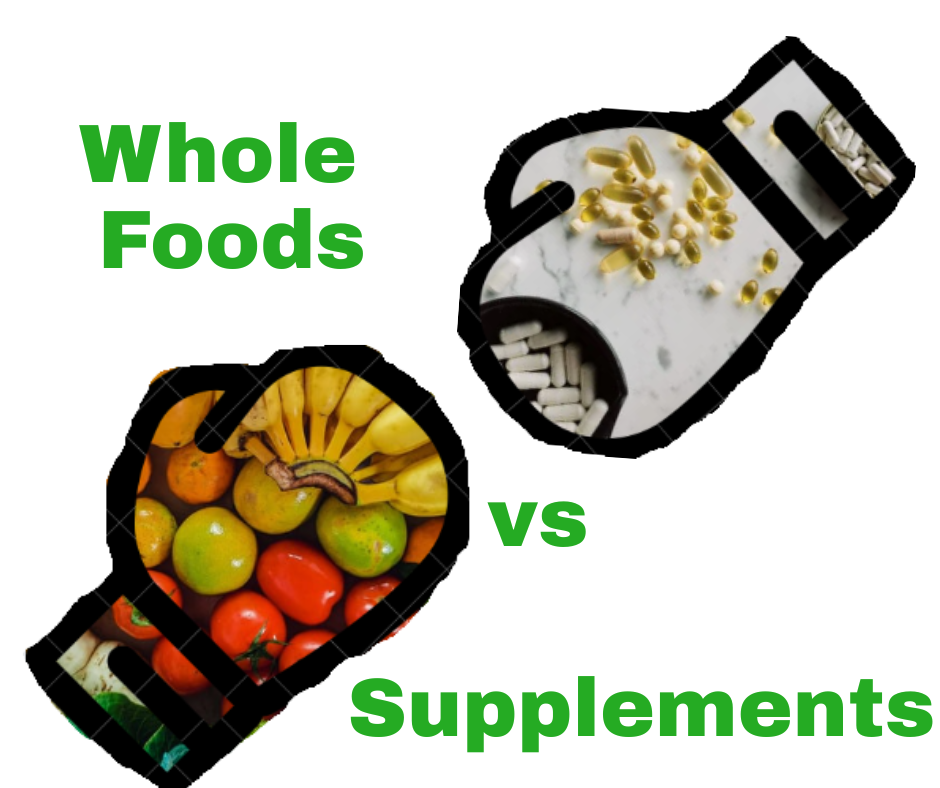
Why Nature Still Outperforms Supplements
Whole foods offer a potent mix of nutrients that surpass what isolated dietary supplements can provide. Unlike pills or powders, whole foods come in their natural, complete form, offering vitamins and minerals and fibre, water, enzymes, and bioactive compounds that work together to support your body. This level of nutritional complexity is nearly impossible to replicate in a laboratory.
Would you prefer to listen? Click below:
In a world that often seeks shortcuts, reaching for quick fixes like capsules or fortified bars is tempting. However, while supplements can help in cases of deficiency, they usually lack the balance, co-factors, and natural synergy in whole foods. Nature’s design provides nutrients in how our bodies evolved to recognise, absorb, and use them.
Whole foods nourish us on multiple levels. Their rich nutrient profiles enhance immunity, energy, and long-term health. Their better absorption rates mean your body gets more from every bite. And their protective benefits, from antioxidants to anti-inflammatory compounds, help guard against chronic diseases.
From farm to fork, whole foods deliver unmatched nourishment and vitality. They aren’t just fuel; they are the foundation for wellness, longevity, and a thriving life.
The Superior Nutrient Density of Whole Foods
Whole foods like fruits, vegetables, grains, legumes, and nuts deliver essential vitamins, minerals, and phytonutrients. These are fundamental building blocks for survival and dynamic tools for thriving health. For example, kale contains vitamin K for blood clotting, vitamin C for immunity, and antioxidants that protect cells from damage. All in a single serving.
One key advantage of whole foods is their abundance of phytonutrients. Natural compounds found exclusively in plants include flavonoids, carotenoids, and polyphenols. Phytonutrients help protect plants from pests, UV radiation, and disease. When we eat them, we inherit those protective benefits. They support detoxification, reduce inflammation, enhance immunity, and may even slow the ageing process.
 Unlike vitamins and minerals, phytonutrients aren’t considered essential for survival but vital for optimal health. Their absence in supplements is a significant limitation. While a supplement may deliver vitamin C, it won’t contain the hundreds of flavonoids naturally found in a piece of fruit that enhance its effectiveness.
Scientific studies consistently show that diets rich in whole foods reduce the risk of chronic diseases. A whole-food-based diet improves cardiovascular health, lowers inflammation, and supports immune function. Populations that consume diverse, plant-based diets live longer and experience lower rates of obesity, diabetes, and cancer.
This isn’t a trend; it’s a proven path to long-term health. Choosing whole foods means choosing a nutrient-rich, life-supporting diet that feeds every cell in your body with what it truly needs.
Understanding Nutrient Absorption and Bioavailability
Bioavailability refers to how well your body absorbs and uses the nutrients you consume. Whole foods provide nutrients in their most usable form. They also contain co-nutrients like enzymes, fibre, and fats that improve nutrient uptake.
For example, the vitamin C in oranges helps your body absorb more iron from spinach. This nutrient teamwork is powerful. The healthy fats in avocado improve the absorption of fat-soluble vitamins like A, D, E, and K. Similarly, pairing turmeric with black pepper increases the absorption of curcumin, turmeric’s main active compound.
These combinations occur naturally in whole foods or traditional meals. They ensure your body uses nutrients effectively. Supplements often isolate nutrients and strip away these natural helpers. Without co-factors, absorption can drop dramatically.
Some nutrients require specific forms or conditions to be absorbed. Calcium, for example, needs vitamin D for absorption. Whole foods often supply both together. In contrast, supplements may provide one without the other.
Research shows that the nutrients from whole foods are absorbed better than synthetic ones. Your body recognises them as real food. When you eat a colourful, varied diet, you maximise absorption and reduce waste. You feed your body exactly what it needs in a form it can use.
The Power of Nutrient Synergy
Whole foods contain nutrients that naturally work together to enhance health. This synergy increases effectiveness and supports better outcomes. For example, combining tomatoes with olive oil boosts lycopene absorption. Lycopene is a powerful antioxidant linked to heart health and cancer prevention.
Cooking tomatoes further enhances lycopene bioavailability. Heat breaks down cell walls, making the nutrient easier to absorb. This is a rare case where cooking boosts a food's nutritional impact.
Other examples include pairing leafy greens with citrus fruits to increase iron absorption or eating salmon with leafy greens to combine omega-3s and magnesium. These combinations improve function, support immunity, and help prevent disease.
Supplements, on the other hand, often lack this synergy. Nutrients are isolated and stripped of natural co-factors. They are frequently exposed to light, moisture, heat, or oxygen during production or storage. This can degrade nutrients and reduce their effectiveness before reaching your body.
Whole foods protect delicate nutrients through their natural structures. Their nutrients remain stable and intact until digestion begins. This makes real food more reliable, effective, and beneficial overall.
Nature doesn’t deliver nutrients one at a time. It offers them in well-designed packages that your body can understand and utilise efficiently. That’s why a diet rich in whole foods supports energy, longevity, and overall health better than isolated supplements ever can.
Dietary Fibre: A Cornerstone of Digestive Health
Fibre is a crucial component of whole foods that is key to digestive health and overall well-being. Whole foods naturally contain both soluble and insoluble fibre. Soluble fibre dissolves in water and helps control blood sugar and cholesterol. Insoluble fibre adds bulk to stool and promotes regular bowel movements.
Fibre also feeds the beneficial bacteria in your gut. These bacteria break down fibre into short-chain fatty acids, which reduce inflammation and strengthen the gut lining. A healthy gut microbiome supports your immune system and influences various aspects, including mood and metabolism.
 While prebiotic supplements aim to feed gut bacteria, they usually contain just one or two fibre types. In contrast, fibrous vegetables, whole grains, legumes, nuts, and seeds offer various prebiotic fibres. This diversity is crucial for maintaining a healthy and balanced microbiome.
High-fibre foods include oats, lentils, chickpeas, carrots, apples, broccoli, and flaxseeds. Eating these foods daily supports digestion, lowers cholesterol, balances blood sugar, and helps control appetite. Fibre slows digestion, which enables you to feel full longer and promotes healthy weight management.
Whole foods deliver fibre as part of a complete package—alongside vitamins, minerals, water, and enzymes. This makes them far more effective than fibre supplements alone. Unlike ultra-processed products, they contain no additives or synthetic fillers.
In short, dietary fibre from whole foods does more than keep you regular. It helps build a resilient gut, a stronger immune system, and a healthier body from the inside out.
The Antioxidant Edge of Whole Foods
Antioxidants are natural compounds that protect your cells from oxidative stress and free radical damage. This damage contributes to ageing, inflammation, and chronic disease. Whole foods, such as berries, leafy greens, nuts, seeds, and colourful vegetables, contain a broad spectrum of antioxidants.
These antioxidants include vitamin C, E, selenium, and powerful phytochemicals like anthocyanins, flavonoids, and polyphenols. Each one plays a unique role in protecting your cells and supporting your immune system.
Whole foods deliver these antioxidants in combinations that work together for greater effect. For example, blueberries provide a range of polyphenols that reduce inflammation and support brain health. Spinach contains both vitamin C and beta-carotene, which protect against oxidative stress.
Supplements usually contain isolated antioxidants in fixed amounts. They often miss the supporting nutrients that enhance effectiveness. Some antioxidant supplements can even become pro-oxidants at high doses, potentially increasing the risk of harm rather than reducing it.
Why Whole Food Antioxidants Work Better Than Supplements
 Whole foods don’t pose this risk. Their antioxidants come in natural ratios with fibre, water, and other co-factors that regulate absorption and balance. This prevents overdosing and supports steady, long-term protection. Also, many supplements degrade over time due to heat, air, or light exposure. This can reduce their potency before you even take them. Whole foods are fresher and more stable, delivering antioxidants in their most effective state.
Research shows that people who eat diets rich in antioxidant-rich whole foods have lower heart disease, cancer, and cognitive decline rates. This protection comes not from a single magic nutrient but from rich, varied natural combinations. Nothing compares to the antioxidant power of real, unprocessed food for lasting health and cellular protection.
The Unique Benefits of Phytochemicals and Bioactives
Phytonutrients are natural compounds in plant foods that go beyond basic nutrition to provide profound, functional health benefits. These include flavonoids, lignans, carotenoids, glucosinolates, and stilbenes—each with specific roles in cellular repair, inflammation control, and immune defence.
Unlike isolated nutrients in supplements, phytonutrients in whole foods work in harmony with other compounds. They help your body fight oxidative stress, regulate gene expression, and maintain hormonal balance. For example, sulforaphane in broccoli activates detoxification enzymes that help eliminate harmful substances from the body.
 Garlic contains allicin, a powerful antimicrobial that enhances immune response. Onions deliver quercetin, which helps reduce allergic responses and lowers blood pressure. Berries contain ellagic acid, which supports DNA repair and slows tumour growth in lab studies. These examples demonstrate the diversity and power of phytonutrients.
Mushrooms also offer immune-boosting compounds, such as beta-glucans, which help modulate immune activity. Crucially, these compounds often only work well in their original food matrix—something supplements can't replicate.
Many phytonutrients are fragile. They degrade quickly when isolated, processed, or stored without care. Whole foods protect them within a natural structure, ensuring they reach your body in their most beneficial form.
Eat the Rainbow: Unlocking the Full Spectrum of Phytonutrient Power
 One of the easiest and most effective ways to benefit from phytonutrients is to “eat the rainbow.” Different colours in plant foods reflect different phytonutrient profiles. Red foods like tomatoes and watermelon are rich in lycopene, which supports heart and prostate health. Orange and yellow foods like carrots and peppers contain carotenoids that support eye health and immune function.
Green vegetables, like spinach and kale, are packed with lutein and chlorophyll, which support cellular detoxification and brain health. Blue and purple foods—such as blueberries, grapes, and aubergines—contain anthocyanins that improve circulation and reduce inflammation. Even white and brown plant foods, like garlic, onions, and mushrooms, offer powerful compounds that support immune health and cardiovascular function.
No pill can match the breadth and synergy of phytonutrients in a plate of colourful vegetables, whole grains, nuts, seeds, and herbs. By eating a wide range of whole plant foods, you unlock a pharmacy of natural protection and support for your entire system.
Whole Foods and Immune Support
Your immune system depends on a wide range of nutrients working together. Whole foods deliver these nutrients along with supporting compounds. A varied diet that includes vegetables, fruits, grains, legumes, herbs, and spices helps your body defend against illness and recover faster.
Whole foods provide continuous immune-supportive nutrients like vitamin C, D, zinc, selenium, and iron. These nutrients work best when delivered together with natural enzymes, fibre, and co-factors that aid their absorption and effectiveness. Citrus fruits, leafy greens, pumpkin seeds, lentils, garlic, and ginger are all excellent choices.
Many of these immune-supportive compounds—like allicin in garlic, gingerol in ginger, and quercetin in onions—are not found in supplements or are degraded during processing. Whole foods preserve these compounds and deliver them in forms your body recognises and uses efficiently.
Whole foods also contribute to immune resilience by supporting gut health, which houses a large portion of your immune system. A fibre-rich diet feeds beneficial bacteria, strengthens the gut lining, and keeps inflammation in check, boosting immunity.
Research links whole-food diets with stronger immune responses, faster wound healing, and fewer infections. People who eat diets high in fresh produce and whole grains tend to get sick less often and recover more quickly. These benefits reflect the complex mix of nutrients and plant compounds that synthetic supplements struggle to match.
By choosing whole foods, you’re preventing deficiencies and actively strengthening your body’s first line of defence. It's one of the simplest and most powerful ways to support lifelong health without relying solely on pills and medications.
Environmental Benefits of Choosing Whole Foods
 Whole foods are often grown using more sustainable practices. They support local agriculture, reduce pesticide use, and protect biodiversity. Buying whole foods, especially local and seasonal produce, supports healthier farming and a cleaner environment.
For example, purchasing carrots or apples from a local farmer’s market often means fewer food miles, less packaging, and a lower carbon footprint. Seasonal produce grows naturally without artificial lighting, heated greenhouses, or chemical ripening agents. This reduces energy use and water waste.
Many whole foods are produced using organic or regenerative farming methods. These practices focus on restoring soil health, using natural pest control, and protecting water systems. They create less pollution and encourage the long-term sustainability of our food system.
Whole foods also help preserve biodiversity. Farms that grow a variety of fruits and vegetables support ecosystems and wildlife. In contrast, supplements often rely on monoculture farming—repeatedly growing the same crop—which weakens the soil and threatens ecological balance.
Another benefit is reduced packaging. Whole foods often require little or no packaging when bought loose or in bulk. You can store them in reusable containers or bags, eliminating the need for plastic tubs, blister packs, and foil wrappers that supplements commonly use.
In contrast, the production of supplements involves global supply chains. Ingredients may travel thousands of miles and undergo extensive processing before being encapsulated and sealed. This process contributes to emissions, energy consumption, and plastic waste.
By choosing whole foods, you vote for a healthier planet. Every meal built around fresh, seasonal produce supports local farmers, protects the environment, and reduces your environmental impact.
Supporting Sustainable Agriculture and Biodiversity
By choosing whole foods, you vote for a healthier planet. The impact of that choice extends well beyond your plate.
Whole foods, especially when sourced locally and seasonally, are often grown without synthetic fertilisers, heavy pesticide use, or genetically modified organisms. This reduces the chemical load in our environment and protects pollinators, water supplies, and long-term soil health.
Regenerative farming methods used in some whole food production go even further. These farms use cover crops, crop rotation, compost, and managed grazing to build soil fertility and sequester carbon. Over time, they restore ecosystems rather than deplete them.
Local food systems are also vital to reducing the emissions associated with long-distance food transportation. When you buy a head of lettuce from a local farm rather than a prepackaged salad flown in from overseas, the difference in fuel usage is significant.
Buying from farmers’ markets or subscribing to a community-supported agriculture (CSA) box also helps small-scale farmers stay in business. This keeps money in the local economy and protects food diversity, which industrial monoculture threatens.
Even small shifts, such as opting for unpackaged apples over shrink-wrapped snack bars, can significantly reduce plastic waste and the strain on landfills. These everyday choices accumulate and contribute to a system prioritising sustainability, nutrition, and environmental stewardship.
When you build your meals around whole foods, you’re not only protecting your health. You’re also investing in a food system that values people, animals, and the planet.
Reducing Packaging Waste and Pollution
 Whole foods typically come with minimal or compostable packaging. Buying loose produce, grains, and legumes prevents unnecessary plastic. You can store them in reusable bags, jars, or containers, which cuts down on single-use waste.
Bulk buying also reduces the need for packaging and transport. This small shift in shopping habits can significantly reduce landfill contributions and the demand for virgin packaging materials.
Supplements, by contrast, often come in plastic bottles, foil pouches, or blister packs—many of which are difficult or impossible to recycle. These are designed for durability and convenience, not for environmental friendliness.
Some supplement companies have transitioned to glass bottles or biodegradable containers to reduce environmental impact. While this is a positive step, it’s not yet the norm. Most supplements are still sold in petroleum-based plastics that persist in landfills for centuries.
In addition, supplement packaging is only one part of the problem. Each capsule or tablet may contain ingredients sourced from multiple countries, requiring extensive transportation, processing, and repackaging. This global supply chain adds a significant carbon and material footprint.
In contrast, whole foods, especially locally, require fewer resources and generate less waste. Replacing packaged supplements with fresh, unpackaged produce is one of the simplest ways to reduce personal environmental impact. Choosing whole foods helps cut pollution from production to consumption at every stage. Small, consistent actions like these can lead to large-scale improvements in waste reduction and planetary health.
Economic Advantages of Whole Foods
Whole foods may seem more expensive at first glance, but they are often less expensive over time. When you invest in nourishing your body with real, nutrient-dense ingredients, you reduce your risk of illness—and that means fewer doctor visits, less time off work, and lower long-term healthcare expenses.
Supplements can be an added financial burden, primarily used to compensate for a poor diet. If your meals lack nutrients, you may feel tempted to “top up” with pills, powders, or capsules. However, this approach rarely addresses the root cause and can become an expensive bandage rather than a solution.
In contrast, eating a diet based on whole foods supplies the nutrients your body needs—naturally, effectively, and often more affordable. Instead of paying for food and then paying again for supplements, you can get everything in one place: your plate.
Buying whole foods doesn’t have to break the bank. Shopping at local markets, selecting in-season produce, and purchasing grains and legumes in bulk can all help reduce costs. Cooking at home with these ingredients is healthier and significantly cheaper than relying on processed convenience foods or pre-made meals.
Additionally, maintaining good health through a balanced diet can save you money in the long run by preventing chronic diseases like diabetes, heart disease, and obesity. These conditions are expensive to manage but often preventable with consistent, wholesome nutrition.
Choosing whole foods isn’t just better for your health and a more intelligent financial decision. You nourish your body, avoid unnecessary expenses on supplements, and reduce your risk of costly medical treatments in the future.
Long-Term Health Savings
Preventing chronic diseases through nutrition can lead to significant savings, both financially and in quality of life. Many of the most common and costly health conditions, such as type 2 diabetes, high blood pressure, heart disease, and certain cancers, are heavily influenced by dietary choices.
Studies consistently show that diets rich in whole foods are associated with lower rates of chronic illness. This translates into fewer prescriptions, less reliance on medical interventions, and a reduced need for ongoing treatments or hospital visits.
The financial implications are significant. Chronic conditions often involve long-term medication, routine blood work, regular specialist appointments, and time off work due to illness. These costs accumulate quickly and impose a substantial burden on both individuals and healthcare systems.
By focusing on prevention through a nutrient-dense, whole-food diet, many of these outcomes can be avoided or delayed. Eating healthfully daily is like making small, consistent deposits into your personal health savings account. The more you invest now, the greater your return later, measured in energy, mobility, independence, and peace of mind.
There’s also an emotional payoff. Avoiding preventable illness can spare you and your loved ones from stress, anxiety, and caregiving burdens. Good nutrition supports a better quality of life, giving you the energy to do the things you enjoy and the resilience to handle life’s challenges.
In short, whole foods don’t just nourish your body today—they protect your future. They’re an investment in lifelong health that pays dividends in fewer sick days, lower medical bills, and greater freedom as you age.
Access and Affordability
Whole foods like fresh produce, grains, and legumes are widely available in supermarkets, farmers’ markets, and corner shops. They often cost less per serving than processed meals or supplements and offer far more nutritional value.
Staples such as oats, brown rice, lentils, carrots, and cabbage are affordable, filling, and nutrient-rich. These foods store well, can be bought in bulk, and comprise countless healthy, budget-friendly meals.
Local farmers' markets and community-supported agriculture (CSA) programs make healthy eating more accessible. These sources offer seasonal produce at fair prices while supporting local growers and minimising the environmental costs associated with long-distance transportation.
Many communities also have food co-ops or discount produce boxes that make it easier to buy healthy foods without breaking the bank. Even frozen fruits and vegetables, which retain most nutrients, can be a low-cost, convenient alternative when fresh produce is unavailable.
In contrast, dietary supplements often come with a high price tag. A single bottle may cost more than a week’s worth of fresh vegetables or grains. And because supplements are typically taken daily, the costs continue to increase monthly.
There’s also the risk of spending on unnecessary or poorly absorbed supplements with little benefit. When your body gets what it needs from food, there’s less guesswork and more reliability in terms of both health and budget.
Whole foods deliver a better return on investment. You’re not just paying for calories; you’re investing in fibre, antioxidants, enzymes, water, and synergistic nutrients that help your body thrive.
Accessible, affordable, and deeply nourishing, whole foods remain the most cost-effective and sustainable choice for long-term health.
The Social and Cultural Role of Whole Foods
 Whole foods do more than nourish the body—they bring people together and help preserve cultural identity. Across the globe, traditional diets built around vegetables, grains, legumes, and fresh local ingredients play a central role in daily life, family rituals, and community gatherings.
In regions like Okinawa, Japan, people live some of the longest, healthiest lives in the world. Their diet is rich in sweet potatoes, leafy greens, tofu, seaweed, and small fish. Meals are low in processed food and sugar and high in fibre, antioxidants, and plant-based nutrients. Supplements are rarely part of their daily routine. Instead, they rely on natural, whole foods, which show vitality and longevity.
The Mediterranean diet is another powerful example. Common in Greece, southern Italy, and parts of Spain, this diet features vegetables, legumes, olive oil, whole grains, nuts, herbs, and modest amounts of fish or dairy. Red meat and processed foods are limited. People in these regions not only live longer but also have lower rates of heart disease, dementia, and metabolic disorders.
Crucially, these benefits come not from pills or powders but from consistent habits built around fresh, flavourful meals made with simple, wholesome ingredients. Food is not rushed or eaten in isolation. It’s shared with family and friends, savoured slowly, and appreciated as a daily pleasure, not just fuel.
These food cultures emphasise seasonality, local produce, and mindful preparation. Cooking and eating become a source of connection, gratitude, and joy. It builds strong communities and supports both mental and physical health. By adopting a more whole-foods-focused lifestyle, we don’t just improve what’s on our plates; we revive powerful traditions of health, celebration, and human connection that modern convenience has often overshadowed.
Supporting Family and Community Through Food
Whole foods do more than feed the body—they nourish relationships. Cooking and sharing meals made from fresh ingredients is a powerful way to strengthen bonds, foster emotional well-being, and pass down traditions. Families who eat together tend to make better food choices, communicate more openly, and develop healthier lifelong habits.
 This connection between food and community is a defining feature of the world’s Blue Zones regions, where people live the longest, healthiest lives. In places like Okinawa, Japan, Ikaria, and Greece, meals are rarely eaten alone or in a rush. Instead, families and friends gather daily to share simple, home-cooked meals, often prepared from garden-grown vegetables, beans, herbs, and whole grains.
Eating together creates space for meaningful conversation, laughter, and relaxation. These moments lower stress levels, improve digestion and contribute to a strong sense of belonging. Studies show that regular family meals are associated with better academic performance in children, lower rates of depression, and stronger emotional resilience across all ages.
Whole foods play a central role in these shared meals. They’re colourful, aromatic, and satisfying, encouraging slower, more mindful eating. In contrast, convenience foods and supplements often encourage isolation: a quick bar in the car, a shake alone at your desk, or a multivitamin swallowed with little thought.
No supplement can replicate the joy of preparing a meal with loved ones, the comfort of sharing a meal, or the cultural traditions of shared food. Taking a pill may offer nutrients but can never replace the human experience of gathering around a table. When we choose whole foods, we also select a connection that profoundly enriches physical and emotional well-being.
Enhancing Culinary Diversity and Joy
Whole foods are not only good for your body; they’re a feast for the senses. With their vibrant colours, bold textures, and diverse flavours, they invite creativity in the kitchen and keep eating exciting, not restrictive. Unlike bland powders or pills, whole foods make meals something to look forward to.
This diversity isn’t just pleasing—it’s powerful. Each colour in plant-based foods signals different phytonutrients, antioxidants, and health benefits. Red foods like tomatoes and red peppers are rich in lycopene. Orange carrots and sweet potatoes provide beta-carotene. Leafy greens bring chlorophyll and magnesium. Blueberries and aubergines contain anthocyanins that protect the brain and heart.
Eating a wide range of colours means feeding your body a spectrum of nutrients that work together to support immunity, gut health, heart health, and more. A colourful plate often reflects a more complete nutrient profile than one dominated by beige or processed foods.
Eat the Rainbow Challenge
To make it fun, try the “Eat the Rainbow Challenge”. This involves aiming to eat twenty-five to thirty different plant foods in one week. This could be different fruits, vegetables, legumes, whole grains, herbs, or nuts. Each item counts once, and it’s easier than it sounds! Even adding a few new ingredients to your usual meals can quickly build variety.
Or try the “Colour-of-the-Day” approach:
- Monday – Red (tomatoes, strawberries, red lentils)
- Tuesday – Orange/Yellow (carrots, squash, mango)
- Wednesday – Green (spinach, broccoli, peas)
- Thursday – Purple/Blue (aubergine, blueberries, purple cabbage)
- Friday – White/Brown (garlic, mushrooms, oats)
- Weekend – Mix it all together!
These challenges encourage variety and make eating a more intentional and joyful experience. Involving children, friends, or housemates adds social fun and helps reinforce good habits through shared experiences.
When meals are colourful, interesting, and flavourful, you're more likely to enjoy them—and stick with healthy eating for life. Whole foods naturally bring that joy without additives, flavourings, or synthetic boosts.
Eating well shouldn’t feel like punishment. It should feel like pleasure, play, and possibility. And with whole foods, it can.
Psychological Benefits of Eating Whole Foods
Whole foods support not just physical health but mental and emotional well-being, too. Their natural colours, textures, and aromas encourage mindful eating and help you feel truly nourished. Sitting down to an authentic meal with fresh, vibrant ingredients engages your senses and feels more connected to eating.
 In contrast, swallowing a pill or drinking a meal replacement shake may deliver some nutrients, but it doesn’t feel like eating. There’s no chewing, no aroma, no texture, no satisfaction. It can leave you feeling mentally unsatisfied and physically underfed, even if your body technically received calories.
Chewing plays a decisive role in satiety. The process of chewing tells your brain, “I’m eating.” It triggers a cascade of physiological responses: your stomach starts preparing for digestion, and your brain releases hormones that help you feel full. Chewing crunchy vegetables, hearty grains, or juicy fruits is essential in signalling satiety.
Why Chewing and Real Meals Matter More Than You Think
Chewing also activates the digestive system. As you chew, your body produces digestive enzymes in the mouth, stomach, and small intestine. These enzymes help break down food properly, allowing your body to absorb nutrients efficiently. Skipping this step by drinking or swallowing your nutrition bypasses a critical stage of digestion. This may leave you feeling bloated, hungry, or unsatisfied.
Whole foods also encourage slower eating. When you prepare and eat real meals, you’re more likely to take your time, appreciate your food, and notice when you’re full. This helps prevent overeating and supports long-term weight management—without rigid rules or restrictive plans.
People who eat primarily whole foods report fewer cravings and less emotional eating. That’s because whole foods create a physical and psychological sense of nourishment. You feel fed. You feel content. And over time, you build a healthier, more positive relationship with food.
Eating well isn’t just about what goes into your mouth. It’s also about how you experience it. Whole foods bring back the pleasure, presence, and satisfaction that real eating is meant to offer.
Building Positive Habits and Mindsets
Choosing whole foods leads to better eating patterns that are easier to maintain over time. These habits form the foundation of both physical and mental well-being. When you fuel your body with real, nourishing ingredients, you naturally feel more energised, focused, and balanced—making it easier to stay on track without relying on willpower alone.
Whole foods help remove the cycle of extremes that often comes with ultra-processed foods or fad diets. These include craving, restricting, and binging. Because whole foods are nutrient-dense and satisfying, they support stable blood sugar, sustained energy, and fewer cravings, making consistent, healthy eating far more achievable.
You’re also more likely to continue healthy behaviours when they feel enjoyable and fulfilling. Whole foods make that possible by being both deeply nourishing and genuinely delicious. Crisp apples, roasted sweet potatoes, and a vibrant salad with fresh herbs offer comfort and pleasure, not just nutrition.
Over time, choosing whole foods becomes second nature. Healthy meals no longer feel like a chore or a short-term plan. Instead, they become a lifestyle rooted in enjoyment, not restriction.
This sense of pleasure and sustainability makes whole foods so powerful. Eating well feels good and tastes good, so you're far more likely to stick with it for the long haul.
Trusting Your Food
Trust is essential when it comes to what we put into our bodies. With whole foods, that trust is well-placed. You know precisely what you're eating when you choose fresh, unprocessed fruits, vegetables, legumes, whole grains, nuts, and seeds. There's no mystery ingredient, hidden additive, or synthetic compound—just real, recognisable food.
Supplements, on the other hand, can be far less transparent. Many contain unnecessary fillers, artificial colours, binders, or preservatives. Some are contaminated with heavy metals or unlisted ingredients. Others don’t even include the amount of active nutrients listed on the label. These inconsistencies make it difficult to know what you consume or how it may affect your health.
Even when supplements are third-party tested, they lack the natural complexity and balance of whole foods. And unlike food, supplements aren’t always strictly regulated for safety or quality, especially in global markets with looser oversight.
Whole Foods vs Processed Foods
 It’s also essential to clearly distinguish between whole foods and processed foods. Just because something is plant-based or has “natural” written on the label doesn’t mean it’s healthy. Highly processed plant products such as flavoured veggie chips, sugary granola bars, or instant noodle cups are stripped of their original nutrients and loaded with salt, sugar, or oils.
Whole foods are different. They’re close to their original form, minimally handled, and full of natural nutrition. A baked potato, a bowl of lentil soup, or a fresh apple delivers safe, reliable nourishment your body understands.
With whole foods, there’s no need to read through an ingredient list or wonder what’s inside. You can trust them because they’re real. Grown in soil, picked at harvest, and cooked in your kitchen, not manufactured in a facility or disguised in a capsule. When your food comes straight from nature, you don’t have to second-guess it. That peace of mind is something no supplement or synthetic product can match.
Choosing Whole Foods for a Healthier Future
Whole foods offer far more than just calories or isolated nutrients—they provide the building blocks for a vibrant, resilient life. From their powerful nutritional synergy to their role in preventing disease, supporting mental health, and strengthening communities, they are a cornerstone of true wellness.
They also respect the planet. Choosing whole, unprocessed foods means less packaging, fewer emissions, and more sustainable farming. It’s a way of eating that nourishes your body and the soil, water, and ecosystems we all depend on.
This is about more than diet. It's about reclaiming your health, trusting in real food, and reconnecting with the joy of eating well. Each colourful, home-prepared meal becomes an act of self-respect and a quiet commitment to future well-being.
You prefer simplicity, nourishment, and integrity when choosing whole foods. You say yes to lifelong energy, clearer thinking, stronger immunity, and a good life to live from the inside out.
Your plate is your power. Use it well.
Frequently Asked Questions
What makes whole foods a superior choice compared to supplements?
Whole foods deliver a complex array of nutrients, encompassing vitamins, minerals, and antioxidants in their natural forms. In contrast, supplements often contain isolated nutrients that may not be as readily absorbed by the body, diminishing their overall effectiveness.
How do whole foods promote better digestive health?
Whole foods are high in dietary fibre, which promotes healthy digestion, prevents constipation, and supports a balanced gut microbiome, all contributing to overall digestive health and well-being.
What are phytochemicals, and why are they significant?
Phytochemicals are bioactive compounds in plants that provide various health benefits, including anti-inflammatory properties and a reduced risk of chronic diseases. These benefits cannot be replicated by supplements, making whole foods essential for optimal health.
In what ways do whole foods contribute to environmental sustainability?
Whole foods typically require less processing and packaging, resulting in a lower carbon footprint and less waste. They also support local food systems, making them a more sustainable choice than supplements.
Are whole foods more budget-friendly than supplements?
Yes, whole foods can be more cost-effective in the long run, as they often provide essential nutrients at a lower price than the ongoing costs of regularly purchasing supplements.
How do whole foods relate to cultural traditions?
Whole foods are integral to many cultural dietary practices and celebrations, fostering community connections and preserving culinary heritage while encouraging healthier eating habits.
How can whole foods enhance mental health?
Whole foods promote feelings of satiety and satisfaction, which can reduce emotional eating and support mindful eating practices, ultimately enhancing overall mental well-being and emotional health.
Why is it important to consider the safety of whole foods?
Whole foods are less likely to cause adverse reactions than synthetic supplements, which may contain artificial additives and preservatives, making them safer for nutrition and dietary choices.
How do whole foods support immune function?
Whole foods are rich in bioactive compounds, vitamins, and minerals that bolster immune health, equipping the body to defend against infections and diseases effectively.
What are the long-term advantages of choosing whole foods?
Consistent consumption of whole foods is associated with improved health outcomes, reduced risk of chronic diseases, and long-term healthcare savings, making them a wise investment for overall health and well-being.


