

Why Supplements Matter for Men
Supplements for men play a key role in filling nutritional gaps when food alone isn’t enough. These products include vitamins, minerals, herbs, amino acids, and other compounds that support health. They help boost nutrient intake and are especially useful for men facing physical stress, poor diet, or busy routines. As awareness of global nutrient deficiencies grows, the need for supplements becomes clearer. These tools can offer meaningful support for men dealing with low energy, poor recovery, or ageing-related issues. Supplements for men help provide the fuel needed to stay strong, focused, and resilient.
Many men don’t get enough key nutrients through diet. This can slow muscle growth, affect mood, or weaken immunity. Men who train hard, manage stress, or aim to lose weight often need extra nutritional help. That’s where supplements come in. They make it easier to meet health goals without overhauling your schedule. Quick to use and easy to carry, they offer a practical way to support daily well-being.
Common Nutritional Gaps in Men’s Diets
 Men often miss key nutrients like vitamin D, magnesium, and omega-3s, vital for heart, brain, and bone health. One reason may lie in how men typically eat. Research shows men eat more meat and fewer fruits and vegetables than women. This pattern limits their fibre, antioxidants, and vitamins and minerals intake in plant-based foods.
Convenience foods, heavy training, or restrictive diets can also reduce nutrient intake. Intense workouts and chronic stress raise the body’s demand for recovery nutrients like magnesium and omega-3s. At the same time, ageing makes it harder for the body to absorb and use nutrients efficiently.
These factors combined make nutritional gaps common. Supplements help bridge those gaps and keep the body strong, energised, and mentally sharp through all life stages.
Unlock Peak Performance: Key Supplements for Men’s Health
Multivitamins: A Daily Boost for Energy, Hormones, and Long-Term Health
Multivitamins provide a convenient way to fill nutritional gaps in men’s diets. They help maintain strength, focus, and resilience. Men often skip meals or eat poorly due to stress or time pressure. This can drain energy and lower immunity.
A male-focused multivitamin daily supports long-term vitality, fertility, hormone balance, and overall well-being. High-quality multinutrients for men go beyond the basics. They target hormone health, muscle function, fertility, and mental clarity. The BioCare Male Multinutrient includes zinc to support testosterone, which controls mood, stamina, muscle growth, and sexual health. (For a 10% discount on everything you buy, enter code P8824 when registering your account).
Testosterone levels begin to decline around age 30–40. This can cause fatigue, low mood, poor focus, and reduced libido. B vitamins support energy production and reduce tiredness. They also help regulate stress and maintain a sharp mind.
Lycopene is an antioxidant, protecting cells, especially in the prostate, from damage and inflammation. Nettle root supports kidney function and urinary health. It’s particularly helpful for men with early signs of prostate enlargement. Busy men often struggle to eat a wide range of nutrients daily. A tailored multi-nutrient helps cover the essentials.
Protein Powders
Protein is essential for building, repairing, and maintaining muscle tissue. It also plays a vital role in hormone production, immune function, and satiety. For men focused on fitness, recovery, or healthy ageing, protein powders offer a convenient and efficient way to meet daily protein needs.
Whey protein is a fast-digesting option ideal for post-workout recovery. It contains all nine essential amino acids, including a high concentration of leucine, which triggers muscle protein synthesis. This makes whey one of the most effective supplements for muscle growth.
Casein protein digests slowly, providing a steady release of amino acids over several hours. It’s smart to support overnight muscle repair before bedtime and reduce muscle breakdown during long fasting periods.
Plant-based proteins, such as peas, rice, or hemp, are excellent alternatives for men who follow vegan or dairy-free diets. When blended, these proteins can provide a complete amino acid profile, supporting muscle growth and recovery as effectively as animal-based sources.
Protein powders are especially helpful for men with busy schedules or increased nutritional needs. They can be added to smoothies, oats, or shakes to boost intake without complex meal prep. This makes them an accessible option for anyone looking to improve strength, recovery, or body composition.
Choosing a high-quality protein powder without added sugars or artificial fillers ensures better results and fewer unwanted side effects. With consistent use, protein supplements can help men stay strong, energised, and ready for daily life and training demands.
Omega-3 Fatty Acids
Omega-3 fatty acids are essential fats that play a key role in protecting heart health. They help lower inflammation, reduce blood pressure, and improve cholesterol levels. For men, this is especially important—statistics show that men are more likely to suffer heart attacks than women, often at a younger age.
 Omega-3s support the cardiovascular system by keeping blood vessels flexible and reducing plaque buildup in the arteries. They also help regulate heart rhythm, which lowers the risk of dangerous arrhythmias. Beyond heart health, omega-3s support brain function, memory, and mood. They also help ease joint stiffness and improve recovery after exercise.
Oily fish like salmon, sardines, and mackerel are rich in omega-3s and should be a regular part of men's diets. Health experts recommend eating oily fish at least twice a week, yet many men fall short of this target.
But many men don’t eat enough fish regularly to meet their needs. That’s why omega-3 supplements can offer a practical solution, especially those containing EPA and DHA. Choosing a high-quality fish oil or algae-based supplement containing EPA and DHA can help close the gap. Consistent use of omega-3s can help men protect their hearts, sharpen their minds, and support long-term health.
Vitamin D
Vitamin D is vital for strong bones, muscle function, immunity, and mood regulation. Yet many men don’t get enough of it. This deficiency is more common in winter with limited sunlight exposure, but men may face unique risk factors. Some studies suggest men are slightly more likely to have low vitamin D levels than women. This may be due to differences in body fat, hormones, sun habits, and diet. Men tend to store more fat in the abdominal area, where vitamin D may become trapped and less available.
Testosterone, the primary male sex hormone, may also affect vitamin D metabolism. In contrast, estrogen enhances vitamin D activity in women. This hormonal difference may partly explain why men are at greater risk of deficiency.
Men may also spend less time outdoors or wear clothing that blocks sun exposure. This limits their ability to produce vitamin D through their skin. In addition, differences in eating habits may lead to lower intake of vitamin D-rich foods like oily fish, eggs, and fortified dairy.
Vitamin D supplements can help restore healthy levels, especially in men who work indoors or live in northern climates. Regular blood tests can track vitamin D status and guide proper dosing. Maintaining optimal levels supports stronger bones, improved muscle strength, and a healthier immune system.
Magnesium
Magnesium is essential for muscle function, energy production, nerve health, and quality sleep. It also helps regulate stress and prevents cramps, fatigue, and irritability. Many men don’t get enough of this vital mineral despite its importance. While magnesium deficiency can affect anyone, research shows that teenage boys and men over 70 are likelier to have low intakes. This may be due to poor dietary habits, lower consumption of magnesium-rich foods, or age-related changes in nutrient absorption.
Magnesium plays a key role in converting food into energy. It also supports protein synthesis, making it vital for muscle growth and recovery—especially in active men. Low levels can impair performance, delay recovery, and increase the risk of injury. Magnesium has a calming effect on the nervous system, which helps reduce stress and improve sleep quality. Men dealing with high stress, poor sleep, or intense workouts may benefit from boosting their intake.
Good sources of magnesium include leafy greens, whole grains, nuts, seeds, and legumes. However, many men still fall short, especially if they eat a highly processed diet. In such cases, magnesium supplements offer an effective way to restore balance and support overall health.
Creatine
Creatine is one of the most researched and effective supplements for boosting strength, power, and lean muscle mass. It's especially popular among men who lift weights or engage in high-intensity training, as it fuels quick bursts of energy during short, explosive movements like sprinting or heavy lifting.
The body naturally produces creatine in the liver, kidneys, and pancreas but stores it mainly in the muscles. Supplementing with creatine increases these stores, allowing men to train harder, lift heavier, and recover faster between sets. Creatine doesn't just support performance—it also plays a key role in muscle growth. Improving training capacity helps stimulate greater muscle development over time. This makes it a go-to supplement for men focused on building size and strength in the gym.
As men age, muscle mass tends to decline. This is a process called sarcopenia. This natural muscle loss can lead to weakness, poor balance, and reduced metabolism. Creatine may help slow this decline by preserving muscle strength and supporting muscle cell hydration, even in older adults. Regular creatine use may enhance brain function, improve recovery, and support cellular energy production. It’s generally safe when used as directed, though staying well-hydrated is essential.
For men aiming to maintain muscle, train at a high level, or offset age-related strength loss, creatine is a powerful ally in any supplement plan. With that said, it is essential to monitor intake as too much can damage the kidneys.
 BCAAs (Branched-Chain Amino Acids)
BCAAs include three essential amino acids. These are leucine, isoleucine, and valine. These amino acids support muscle repair and reduce exercise-related fatigue. Your body cannot produce BCAAs on its own. You must get them from food or supplements. They go directly to the muscles, bypassing the liver.
Many men use BCAAs to train harder and recover faster. They help reduce delayed onset muscle soreness (DOMS) after workouts. BCAAs also prevent muscle breakdown during long or intense training sessions. This helps protect lean muscle, especially when dieting or fasting.
Leucine plays the most significant role in muscle protein synthesis. It signals your body to start repairing and building new muscle. You can take BCAAs before, during, or after workouts. Many men add them to water or shakes for convenience. If you train often or lift heavy, BCAAs can help maintain performance and speed up recovery between sessions.
Beta-Alanine
Beta-alanine helps delay muscle fatigue by increasing carnosine levels in your muscles. Carnosine buffers acid buildup during intense exercise. When you train hard, your muscles produce lactic acid. This acid causes a burning sensation and limits performance. Beta-alanine reduces that burn by neutralising acid. It helps you push through more reps or longer bursts of effort.
Men who do high-intensity workouts or endurance training often benefit from beta-alanine. It improves stamina, power, and training volume. Studies show beta-alanine can increase time to exhaustion. This means you can train longer before your muscles give out. It works best when taken consistently over time. The effects build up as carnosine levels rise in your muscles.
Beta-alanine often causes a harmless tingling feeling in the skin. Many men feel it in their faces or arms. Beta-alanine can be a powerful addition to your routine to boost performance and delay fatigue.
B Vitamins
 B vitamins support energy, mood, brain health, and red blood cell formation. They are essential for daily function and vitality. Vitamin B12 helps with DNA repair, nerve function, and mental clarity. It’s mainly found in meat, fish, eggs, and dairy. Interestingly, studies show men are more likely than women to have low B12 levels—even with similar or higher meat intake.
One large study found 25.5% of men had B12 deficiency, compared to 18.9% of women. This surprised researchers. Men in earlier dietary studies reported eating more meat, a key source of B12. Yet deficiency remains more common in men. This may be due to genetic differences, gut health, or how men absorb and use B12 in the body.
Symptoms of B12 deficiency include fatigue, poor memory, low mood, and nerve tingling. Many men don’t realise they’re low. Older men, vegans, or those with digestive issues face higher risks. They should test B12 levels regularly to stay safe.
Other B vitamins, like B6 and folate, also support brain health, heart function, and energy metabolism. Leafy greens, legumes, whole grains, and eggs contain these nutrients. Supplements help when diet alone can’t meet the need. Men who feel tired, foggy, or low mood may benefit from a high-quality B-complex supplement.
Adaptogens
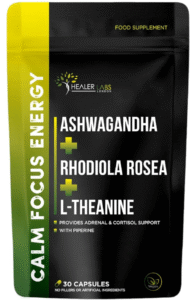 Adaptogens are natural herbs that help the body adapt to stress and stay balanced under pressure. Ashwagandha and Rhodiola are two of the most researched adaptogens. They support calm, focus, and physical resilience. These herbs work by regulating cortisol, the body’s primary stress hormone. High cortisol can drain energy, mood, and immunity.
Men often face chronic stress from work, finances, or family roles. This constant pressure impacts mental and physical health. Stress in men may show up as irritability, sleep issues, low libido, or fatigue. Adaptogens help reduce those effects. Ashwagandha supports testosterone levels, improves sleep, and reduces anxiety. It also enhances strength and recovery from exercise.
Rhodiola boosts endurance and mental clarity. It helps fight fatigue during demanding physical or mental tasks. Men juggling intense work schedules or gym routines may find adaptogens help maintain energy and emotional control. Adaptogens don’t sedate—they help the body adjust to stress more efficiently. This makes them safe for daily use.
You can take them as capsules, powders, or teas. Most men tolerate them well when used at recommended doses. For men aiming to stay sharp, calm, and energised under stress, adaptogens offer natural and reliable support.
Coenzyme Q10
Co Q10 helps your cells produce energy. It’s especially important in high-demand organs like the heart and muscles. It also acts as a powerful antioxidant. It protects cells from oxidative stress and supports long-term health and vitality. Men may benefit from CoQ10 because of its role in heart health, fertility, and muscle function.
The heart uses a large amount of energy. CoQ10 helps fuel the heart and protect it from free radical damage. Low CoQ10 levels have been linked to heart disease. Supplementing may help manage blood pressure and improve heart performance. Men on statins often experience muscle pain or weakness. CoQ10 can reduce these side effects by restoring energy in muscle cells. Some studies show that CoQ10 reduces statin-related muscle pain and helps men stay on cholesterol-lowering medications.
CoQ10 may also support male fertility. Oxidative stress can damage sperm cells, reducing count, quality, and motility. Research suggests CoQ10 improves sperm movement and concentration in men with certain fertility issues. As men age, their natural CoQ10 levels drop. This may affect energy, endurance, and recovery from exercise.
CoQ10 may slow some age-related decline by supporting energy production and reducing cell damage. Typical doses range from 100 to 200 mg daily. Men with health concerns should consult a doctor before starting supplements. For men focused on heart health, energy, and fertility, CoQ10 offers a natural way to support long-term wellness.
Calcium
Calcium is essential for strong bones, healthy teeth, nerve function, and proper muscle contractions. Most people associate calcium with women’s health, but men need it too, especially as they age.
 Bone density peaks around age 30. After that, men gradually lose bone mass, increasing the risk of fractures and osteoporosis. Many men don't realise they can develop osteoporosis. It often goes undetected until a break or injury occurs. Calcium helps slow this loss and keeps bones strong. It also supports joint stability and posture as men age.
Men who lift weights or train hard place extra demand on bones and joints. Calcium helps the body handle that stress. Dairy, leafy greens, tofu, and fortified foods are good sources. Many men still fall short, especially with restricted diets. Vitamin D is essential for absorbing calcium. Men should make sure they get enough of both to support bone health.
Weight-bearing exercise also stimulates bone growth. Pairing calcium intake with regular training provides the best results. Supplements can help men meet their needs when diet alone isn’t enough. They’re especially useful after age 50. Maintaining bone strength helps men stay active, avoid injury, and enjoy better mobility in later years.
Prostate Health: Key Supplements and Foods Every Man Should Know
As men age, prostate health becomes increasingly important. Many experience prostate enlargement, also called benign prostatic hyperplasia (BPH). BPH can cause frequent urination, weak flow, and disrupted sleep. Supplements can help reduce these symptoms and support urinary health.
Saw palmetto is one of the most researched herbs for prostate health. It may ease urinary issues and reduce inflammation. Beta-sitosterol is another compound that has shown promise in promoting prostate health. Similar to saw palmetto, beta-sitosterol may assist in improving urinary flow and decreasing the frequency of nighttime urination. Incorporating these supplements into a holistic approach to prostate health can provide men with essential relief from uncomfortable symptoms.
 Stinging nettle (Urtica dioica) is often used alongside saw palmetto. It may help shrink an enlarged prostate and reduce symptoms. Pumpkin seed extract supports urinary flow and is rich in zinc, which protects prostate cells from oxidative stress.
Zinc plays a key role in hormone balance. The prostate stores zinc, which may prevent or reduce enlargement. Lycopene, a powerful antioxidant in tomatoes, protects prostate cells. Cooked tomatoes offer the most absorbable form of lycopene. You can get lycopene as a stand-alone supplement or as part of a multi-nutrient for men's health.
Selenium is another potent antioxidant. It helps protect cells from damage and may lower prostate cancer risk. Vitamin E also offers antioxidant support. It may reduce the risk of cell damage linked to cancer and ageing.
Promoting Prostate Health Through Diet
Diet plays a significant role in prostate health. Certain foods provide nutrients that protect and nourish prostate tissue. Eat more cruciferous vegetables like broccoli, cabbage, and cauliflower. They contain compounds that may slow prostate cell growth.
 Berries are rich in antioxidants that fight inflammation and support cellular repair. Nuts and seeds, like walnuts, Brazil nuts, and pumpkin seeds, provide healthy fats and key minerals like zinc and selenium.
Omega-3 fatty acids in salmon and sardines help lower inflammation and support prostate and heart health. Phytoestrogens in soy and legumes may help balance hormones and reduce prostate cancer risk. Legumes, including beans and lentils, offer fibre, antioxidants, and hormone-balancing phytoestrogens.
A healthy diet combined with targeted supplements can help men maintain prostate function and reduce future health risks. Men over 40 should pay attention to early symptoms and consult a healthcare provider for personalised advice. Taking proactive steps now helps protect long-term vitality, comfort, and quality of life.
Guidelines for Selecting the Most Suitable Supplements
Navigating the expansive landscape of supplements can feel overwhelming, particularly given the many products available on the market. To effectively select the right supplements, men should evaluate their health needs. This assessment involves recognising any nutritional deficiencies, health issues, or fitness goals that might dictate specific requirements.
Consulting with healthcare providers is an essential step in this process. A professional can offer personalised recommendations based on blood tests and comprehensive health evaluations. This ensures that supplement choices are not merely trend-driven but tailored to individual circumstances.
Quality and safety must be prioritised when selecting supplements. Men should seek out products that have undergone independent testing for purity and potency. Choosing reputable brands with transparent ingredient lists can help guarantee that the supplements consumed are both safe and effective.
It is crucial to consider factors such as dietary restrictions or allergies. For instance, men following a vegan diet may need to investigate plant-based protein sources or vitamin B12 supplements to fulfil their nutritional requirements. Men can significantly enhance their health and well-being by approaching supplement selection with thoughtful consideration and professional guidance.
Understanding the Potential Risks and Side Effects Linked to Supplements
 While supplements can confer numerous health benefits, men must remain cognisant of the potential risks and side effects associated with their use. Supplements are not devoid of dangers, and improper usage can result in adverse health outcomes.
A primary concern is the risk of allergic reactions. Some supplements may contain ingredients that can provoke allergies in specific individuals. Men must thoroughly examine labels and consult with healthcare providers to avoid any harmful reactions.
Interactions with medications also warrant careful consideration. Some supplements can interfere with prescription medications, reducing their effectiveness or leading to unforeseen side effects. To ensure safe and effective treatment plans, men should disclose all supplements to their healthcare providers.
Overdosing is another serious risk, particularly with fat-soluble vitamins such as A, D, E, and K, which the body can accumulate in excessive amounts. This can result in toxicity and significant health complications. It is critical to adhere to recommended dosages and to avoid exceeding them without professional guidance.
By recognising these potential risks and navigating the supplement landscape with prudence, men can minimise adverse effects while maximising the health benefits of their selected products.
Everyday Health Tips for Men Using Supplements
- Eat whole foods rich in nutrients like leafy greens, oily fish, and nuts.
- Stay hydrated. Water helps the body absorb and use supplements effectively.
- Move your body daily. Exercise improves circulation and supports nutrient delivery.
- Sleep at least 7 hours a night to allow the body to repair and recharge.
- Limit alcohol and ultra-processed foods, which can block nutrient absorption.
Final Thoughts: Take Charge of Your Health
Supplements aren’t a cure-all, but they offer valuable support for modern lifestyles. When used wisely, they help men maintain energy, strength, focus, and vitality.
Choose high-quality products. Be consistent. Make lifestyle changes to support your supplement routine. Small daily actions add up to big health gains.
Frequently Asked Questions About Supplements
What Are the Best Supplements for Men?
The most beneficial supplements for men typically include multivitamins, protein powders, omega-3 fatty acids, and testosterone boosters. Each serves distinct health objectives, ranging from muscle growth to heart health.
How Can I Determine If I Need Supplements?
Evaluate your diet and consider lifestyle, stress levels, and health concerns. Consulting a healthcare provider can assist in identifying your needs.
Can Supplements Replace a Healthy Diet?
Supplements should complement, not substitute, a healthy diet. Obtaining nutrients from whole foods is vital first, with supplements filling any gaps.
Are There Risks Associated with Taking Supplements?
Indeed, potential risks include allergic reactions, interactions with medications, and the possibility of overdose. It is crucial to consult with a healthcare provider before introducing any new supplements.
How Do Omega-3s Benefit Men's Health?
Omega-3 fatty acids support heart health, lessen inflammation, and may enhance cognitive function, rendering them essential for men’s overall well-being.
What Role Do B Vitamins Play in Mood Regulation?
B vitamins, particularly B12 and folate, are vital for neurotransmitter function, assisting in mood regulation and potentially reducing symptoms of depression.
How Can I Choose the Right Protein Supplement?
Select a protein supplement based on your dietary needs and fitness objectives, ensuring it is high-quality and contains unnecessary additives.
Is It Safe to Take Multiple Supplements Simultaneously?
While many men safely take multiple supplements, it is essential to consult a healthcare provider to avoid potential interactions and ensure proper dosing.
What Are Adaptogens and How Do They Help with Stress?
Adaptogens are natural substances that assist the body in adapting to stress. They can lower cortisol levels and promote relaxation, supporting overall mental well-being.
When Should I Take My Supplements for Optimal Results?
Timing can vary; however, consuming certain supplements with meals can enhance absorption. Consult product labels or a healthcare provider for specific recommendations.


